La primera visita: Guía para padres sobre la salud oral pediátrica
11 de mayo de 2026
Revisado por: Equipo Clínico de Studio 4Kids
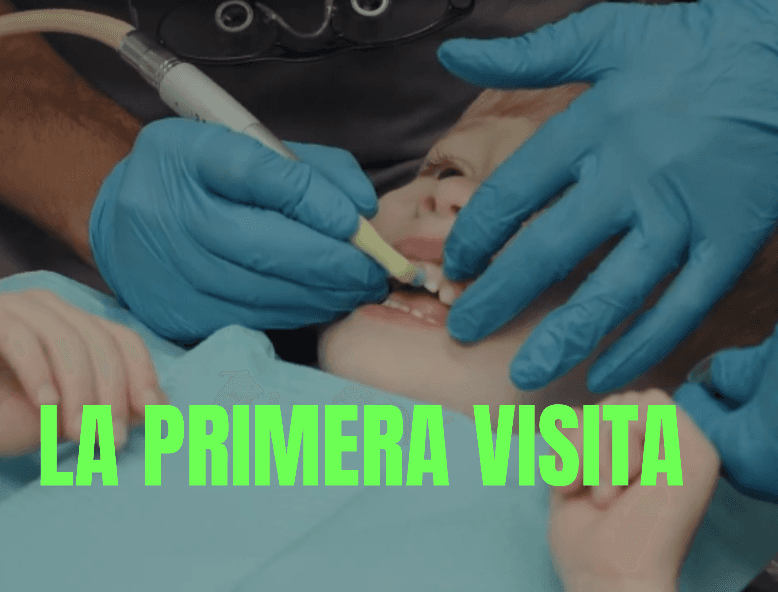
¿Es el momento de la primera visita al dentista de su bebé? En Tribeca Dental Studio 4 Kids, sabemos que este primer encuentro marca el tono de cómo su hijo verá su salud dental de por vida. Nuestra misión es transformar lo que tradicionalmente ha sido una fuente de ansiedad en una experiencia de "pulgares arriba", llena de confianza y tecnología de vanguardia.
¿Cuándo debe ocurrir la primera visita?
La regla de oro en la odontopediatría es: "La primera visita al cumplir el primer año". La Academia Americana de Pediatría recomienda que los niños tengan su primer chequeo dental cuando aparezca su primer diente o antes de celebrar su primer cumpleaños.
¿Por qué tan temprano?
- Prevención de caries: Detectar problemas antes de que causen dolor o necesiten tratamientos complejos.
- Monitoreo del desarrollo: Evaluar cómo están saliendo los dientes y cómo se está formando la mandíbula.
- Hogar Dental: Establecer un lugar familiar donde su hijo se sienta seguro.
Qué esperar durante la visita en nuestro estudio de Tribeca
Hemos diseñado cada centímetro de nuestra oficina en Lower Manhattan para ser un espacio divertido y acogedor. Si busca un pediatric dentist en NYC que no parezca una clínica tradicional, este es su lugar.
Una bienvenida cálida: Desde nuestra área de juegos hasta el equipo que habla el lenguaje de los niños, el objetivo es que su pequeño se sienta como en casa.
Técnica "Decir-Mostrar-Hacer": Explicamos cada paso con palabras amigables, mostramos los instrumentos (como nuestro "espejo mágico") y solo entonces realizamos el procedimiento.
Evaluación de las vías respiratorias: A diferencia de otros consultorios, examinamos cómo respira su hijo. La salud oral está profundamente ligada al sueño y al desarrollo funcional.
Limpieza suave y divertida: Usamos pastas de dientes con sabores que a los niños les encantan y dispositivos silenciosos para que la limpieza sea una experiencia relajante.
Tecnología avanzada: Cuidado sin dolor ni agujas
Uno de los mayores orgullos de nuestro estudio es el uso de la tecnología láser Biolase.
- Sin inyecciones: Podemos realizar muchos tratamientos sin necesidad de agujas.
- Sin taladros: Olvide el sonido y la vibración que asustan a los niños.
- Sin miedo: Al eliminar el dolor, eliminamos la ansiedad dental desde el primer día.
Cronograma de la dentición: ¿Qué es lo normal?
Cada niño es diferente, pero generalmente los dientes siguen este orden:
- 6-10 meses: Incisivos centrales inferiores (los dos dientes de abajo).
- 8-12 meses: Incisivos centrales superiores.
- 9-13 meses: Incisivos laterales (arriba y abajo).
- 13-19 meses: Primeros molares.
Si nota que su bebé tiene molestias, fiebre leve (menos de 100.4°F) o babeo excesivo, puede consultar nuestra guía específica sobre cómo manejar la dentición.