Why Kids Grind Their Teeth at Night
October 14, 2026
Teeth grinding at night, which dentists call bruxism, is something I spot in my office all the time. Many parents have never heard it. Their child sleeps quietly, but at the exam I see the evidence: the chewing surfaces worn flat, the edges of baby teeth smoothed down, sometimes tiny chips. The child did not feel any of it happening.
In children, grinding is usually a sleep habit, not a willpower problem. The most common situations I see are kids whose bite is changing as new teeth come in, children going through stressful stretches, and kids whose sleep is restless for other reasons. I keep the explanation simple with families: the grinding itself is a symptom, and my job is to figure out what sits behind it.
What grinding can wear down
Baby teeth wear faster than adult teeth because the enamel is thinner, so persistent grinding can flatten the chewing surfaces and wear through them more quickly than parents expect. Most of the time it is not an emergency, but it is worth tracking. If I see real wear, I document it with our digital scans so we can compare at the next visit and see whether it is getting worse, staying the same, or fading away.

The sleep connection I always check
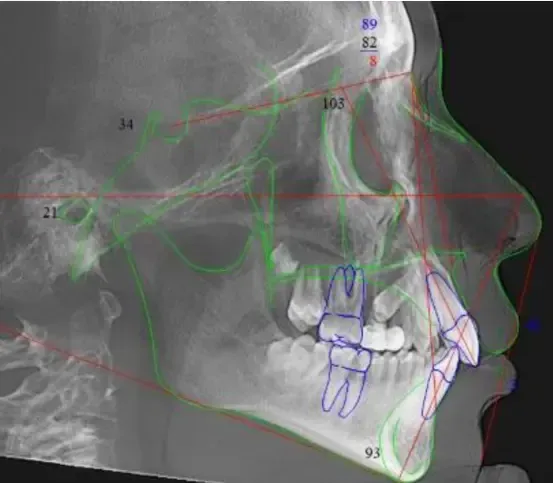
Here is where it gets interesting. Many of the children who grind also show the classic airway signs I look for: snoring, mouth breathing during sleep, restless tossing and turning, dark circles under the eyes. A child whose body is working hard to breathe at night rarely sleeps deeply, and restless sleep and grinding often travel together. If I see tooth wear plus those signs, I recommend an airway evaluation, where we look at jaw development, arch width, and tongue position. Read more about why snoring in kids is worth attention.
What we do at the visit
When grinding comes up, I start by listening to your observations about your child's sleep, then I examine the teeth, the bite, and the growth patterns around them. We use advanced digital scans, so there is nothing scary and no uncomfortable molds. If the grinding is mild and everything else looks healthy, we watch and recheck. If it is wearing the teeth down or comes with airway signs, we talk about next steps at your visit. You can also read about our airway-focused approach.

Frequently Asked Questions
Will my child outgrow teeth grinding?
Many children do, especially when the grinding is tied to a changing bite as new teeth arrive. But I never assume it will fade on its own. We track the wear at checkups with digital scans, and if it is getting worse or comes with sleep signs, we act on it.
Does grinding damage baby teeth?
It can wear them down, because baby teeth have thinner enamel than adult teeth. Occasional grinding is rarely a problem. Persistent grinding that flattens the chewing surfaces is worth documenting and watching, which is what we do at exams.
Is teeth grinding related to snoring or sleep problems?
They often show up together. Kids who snore, breathe through the mouth, or sleep restlessly grind more often in my experience. That is why tooth wear can be a useful clue: it sometimes leads us to an airway evaluation that helps the child's sleep overall.