When a Child's Tooth Needs to Come Out: How We Decide
October 15, 2026
No parent wants to hear that their child's tooth needs to come out. I understand that, and I want you to know something first: extraction is never our first choice. A pediatric extraction happens only after the tooth and the surrounding structures are carefully evaluated and the reasons for removing it are clear.
I am Dr. Nina. Here is exactly how we think through the decision, so you know what to expect if we ever recommend it.
Evaluation comes first
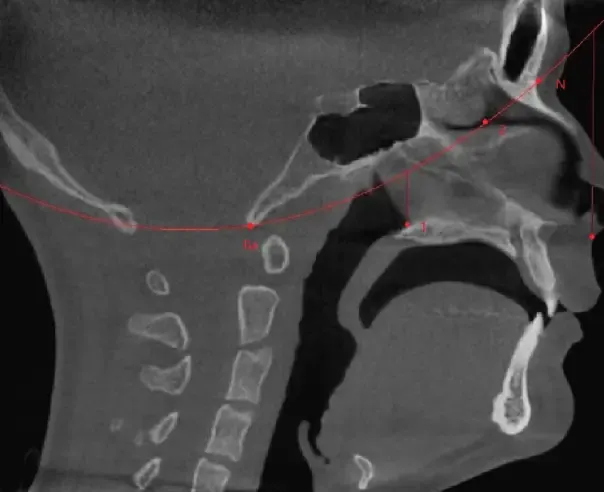
We start by examining the tooth, the symptoms, and the surrounding tissues, and we use diagnostic imaging when needed to understand the roots and nearby structures. We look at whether the tooth can be restored predictably, because when possible, saving the tooth is the better plan. Only when the findings point clearly toward removal do we recommend an extraction.
When extraction is the right call
We discuss extraction when a tooth is too damaged or decayed to restore predictably, when infection or trauma makes removal the more appropriate option, or when removal is part of a broader eruption or orthodontic treatment plan. Every recommendation is explained in plain language: why extraction, whether alternatives are reasonable, and what comes after. You can read more about when early tooth loss becomes urgent.

Planning beyond the extraction
Removing a tooth is only half the plan. After certain teeth are removed, we evaluate whether a space maintainer is appropriate. That decision depends on which tooth was lost, the position of the neighboring teeth, the developing successor underneath, and the overall bite. A space maintainer holds the space so the permanent tooth can erupt in the right place. It does not move teeth; it protects the plan.
What the visit feels like
The treatment area is numbed, and local anesthesia is commonly used so your child stays comfortable. We explain each step in kid-friendly words as we go, and we never rush. Afterward, we give clear aftercare instructions for protecting the site, eating, oral hygiene, and the signs that should prompt a call to our office, like persistent pain, swelling, uncontrolled bleeding, or fever.
A calm word about baby teeth
Parents sometimes wonder why we fuss over a tooth that will fall out anyway. A baby tooth holds space, guides the permanent tooth, and helps your child chew and speak clearly. That is why we evaluate so carefully, and why, when extraction truly is the answer, we plan the whole journey, not just the appointment.
Frequently Asked Questions
Does my child really need the tooth pulled, or can it be saved?
We always evaluate restorability first. Extraction is recommended only when the tooth cannot be predictably restored or when removal is part of a broader eruption or orthodontic plan.
Will my child feel pain during the extraction?
The treatment area is numbed and local anesthesia is commonly used. We explain each step in kid-friendly words and never rush.
Will my child need a space maintainer after?
It depends on which tooth was lost, the neighboring teeth, the developing successor, and the bite. We evaluate this after certain extractions.
What should I watch for after the extraction?
Follow our aftercare instructions carefully, and call us for persistent pain, swelling, uncontrolled bleeding, or fever.