Reimagining the Dentist Office: How We Eliminate Childhood Fear
July 2, 2026
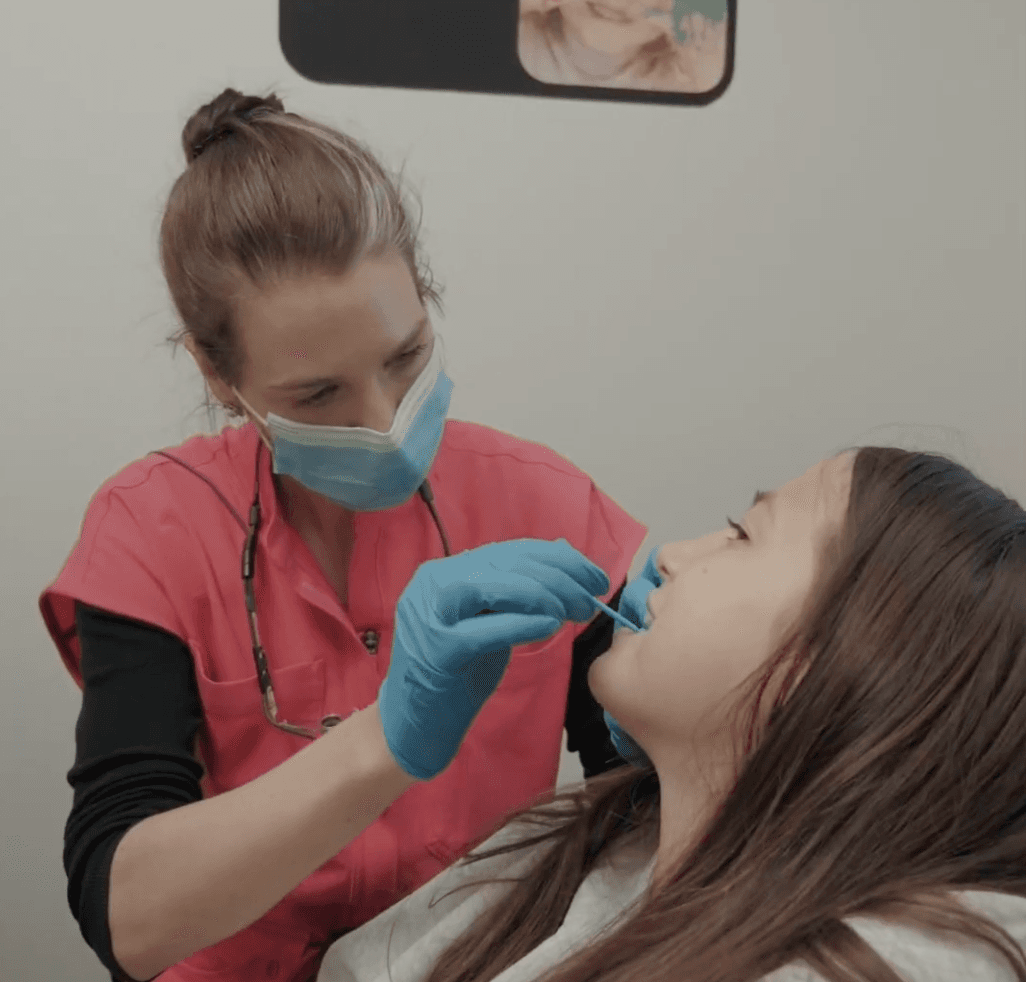
Dental anxiety is not an inevitable childhood milestone. Often, a child's fear of the dentist stems from the unknown, sensory overload, or a past negative experience. According to the American Academy of Pediatric Dentistry (AAPD), early positive dental experiences are critical to preventing long-term phobias. Left unaddressed, this anxiety can lead to skipped appointments, neglected oral hygiene, and severe dental issues down the road.
At Tribeca Dental Studio 4 Kids, we have entirely reimagined the pediatric dental experience to eliminate childhood fear from the moment you pass through our doors.
Advanced Technology Designed to Minimize Trauma
Traditional dental tools—specifically the high-pitched whine of the drill and the pressure of manual instruments—are the primary triggers for pediatric dental anxiety. To combat this, our state-of-the-art facility utilizes advanced, virtually painless laser dentistry.
By substituting advanced Biolase and Solea lasers for traditional drills in many common procedures, we are able to eliminate both the terrifying noise and the vibration. The American Dental Association (ADA) notes that dental lasers offer a highly precise and minimally invasive treatment alternative for young patients. In many instances, dental lasers are so gentle that they remove the need for local anesthetic injections completely. No needles, no drills, and no post-procedure numbness mean your child can return to school or play immediately without discomfort. Learn more about how we implement these advancements on our services pediatric dental services.
Customized, Certified Sedation Options
We understand that some children require extra support to feel secure during their appointments, whether due to intense dental phobias, sensory processing sensitivities, or extensive treatment needs. Our clinic offers a comprehensive spectrum of safe, tailored sedation options designed to give parents peace of mind:
- Nitrous Oxide (Laughing Gas): A mild, safe sedative breathed through a small nose mask that helps children relax while remaining fully awake and communicative. It wears off within minutes of removing the mask.
- Conscious Oral Sedation: A liquid medication taken before the procedure to induce a deep state of relaxation for anxious patients.
- General Anesthesia: For complex, multi-site cases or severe anxiety, we partner with board-certified pediatric anesthesiologists to provide completely safe, controlled care while your child sleeps peacefully.
For a deeper look into how these options work safely for pediatric cases, read our comprehensive guide on pain-free and sedation dentistry.
A Patient, Empathetic Approach
Technology alone doesn't eliminate fear—human empathy does. Our master clinicians never rush a child through an appointment. We actively listen to their concerns, respect their boundaries, and move at a pace they are comfortable with. Discover why downtown families consistently choose us as their trusted kids dentist in Lower Manhattan for stress-free, luxury pediatric dental care.
Frequently Asked Questions (FAQ)
Q: Is dental sedation safe for young children? A: Yes, when administered by specialists. At Tribeca Dental Studio, we use highly controlled protocols, state-of-the-art monitoring equipment, and bring in board-certified pediatric anesthesiologists for advanced cases to guarantee absolute safety.
Q: How can I prepare my anxious child for their visit at home? A: Use positive language. Avoid words like "pain," "hurt," or "shot." Instead, tell them the dentist is going to "count and shine" their teeth. Reading children's books about dental visits can also demystify the experience. For more preparation milestones, read our guide on what to look for during a child's first visit.
Q: What is laser dentistry and does it replace all drills? A: Laser dentistry uses concentrated light energy to remove decay cleanly and precisely. While it replaces the traditional drill for the vast majority of cavity preparations and soft-tissue procedures, certain complex structural adjustments may still require traditional methods.