Overbite vs Underbite in Kids: A Guide
October 15, 2026
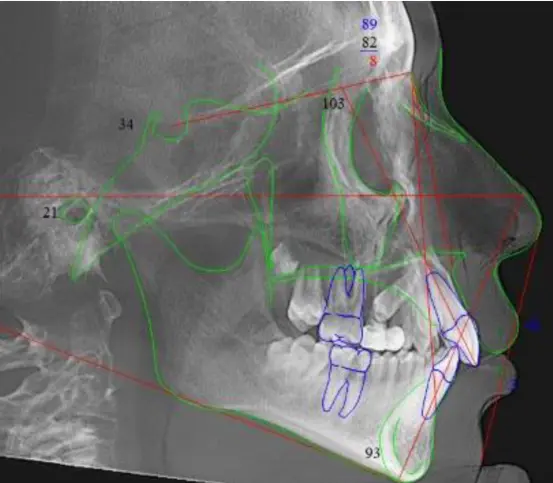
Overbite and underbite describe how the upper and lower front teeth line up. In an overbite (the common one), the upper front teeth overlap the lower front teeth more than they should — a little overlap is normal, a lot is not. In an underbite, it is reversed: the lower front teeth sit in front of the upper front teeth, so the chin can look prominent. They sound like mirror images, but they behave very differently and I treat them on very different timelines.
Overbite: common, and often watchable
A mild overbite is normal — most children have some. I start paying closer attention when the overlap is deep (the lower teeth nearly disappear behind the uppers), when the lower teeth bite into the palate, or when thumb sucking is driving the upper teeth forward. Many mild overbites improve as the jaws grow, especially once habits stop. When one needs help, Phase 1 orthodontic guidance while the child is growing can make the teen years much simpler.

Underbite: treat earlier, not later
Underbites are less common and I take them more seriously, earlier. They rarely improve on their own because they usually reflect how the jaws are growing relative to each other — and jaw growth only moves in one direction. Catching an underbite while the child is still growing gives us options that disappear once growth is done. If your child's lower teeth sit in front of the uppers, do not take a wait-and-see approach for years; have it evaluated.
Genetics plays a big role in both conditions — if parents had an overbite or underbite, the child is more likely to have one too. That does not mean treatment will be identical; every mouth grows on its own schedule. What it does mean is that children with a family history deserve an early orthodontic look, ideally around age seven, so we can track growth rather than discover a problem after the window has closed.
How I sort it out in the office
At the evaluation I look at the teeth, the jaws, the growth pattern, and habits — plus mouth breathing red flags I watch at every exam — and take radiographs only when they are clinically useful. In our Tribeca office the pediatric dentist and orthodontist collaborate under one roof, so whether your child needs monitoring, habit work, or early orthodontic treatment, it is one coordinated plan. We are at 54 Warren St (Mon–Fri 8am–7pm, Sat–Sun 9am–4pm); call 212-561-5303.
Frequently Asked Questions
Is a small overbite normal in kids?
Yes. A little overlap of the upper teeth over the lower is normal and expected — I only get concerned when it is excessive.
Can an underbite correct itself?
Rarely. Because it is usually about jaw growth, waiting tends to make it harder to treat, not easier.
Will my child need braces for either one?
Possibly in the teen years. Early Phase 1 guidance often reduces how much is needed later.
Does thumb sucking cause overbite?
It can push the upper front teeth forward and worsen an overbite, which is one more reason to help the habit stop.