When Tired Looks Like ADHD: Sleep and Behavior in Kids
October 13, 2026
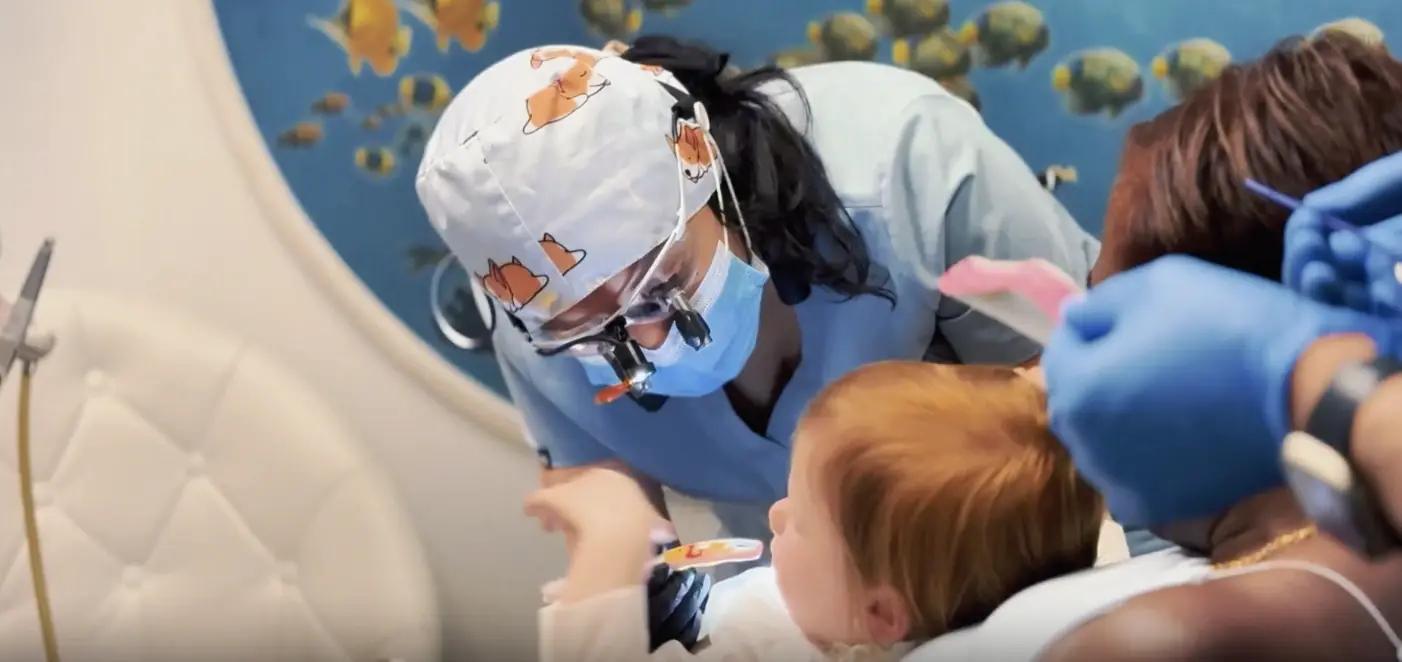
If your child is cranky, unfocused, or bouncing off the walls by the afternoon, the first suspect usually is not sleep — but sometimes it should be. In my practice I see children whose daytime behavior traces back to one thing: they are not getting deep, restorative sleep, because the way they breathe at night keeps their body on alert.
Airway-focused pediatric dentistry connects the dots between breathing, sleep, and behavior. When a child breathes well through the nose, sleep is restful and uninterrupted — and that supports cognitive and physical growth, better focus, steadier energy, and calmer emotional regulation during the day. When breathing is compromised, everything downstream can wobble: sleep quality, behavior, and learning.
The signs parents miss
The tricky part is that tired kids do not always look tired. Instead of yawning, they may look wired — hyperactive, impulsive, quick to melt down. Other signs I ask about: mouth breathing during sleep, restless tossing and turning, snoring, and dark circles under the eyes. And trouble concentrating at school — that last one matters, because difficulty focusing is sometimes mistaken for ADD or ADHD when the real driver is fragmented sleep.
Why the airway matters for the brain
A child's brain does critical work overnight: consolidating learning, regulating emotions, and driving physical growth. That work depends on oxygen and uninterrupted sleep cycles. A restricted airway — from narrow dental arches, a tongue that rests low, or chronic mouth breathing — can keep interrupting that process night after night. Over months, the effects show up as the behaviors parents and teachers notice first.
What an airway evaluation looks like
I start by listening — to your observations about sleep and behavior — then I look at the structures: jaw development, arch width, tongue position. We use advanced digital scans, so there is nothing scary and no uncomfortable molds. If I find a growth pattern working against your child's breathing, non-invasive guidance like Myobrace can help steer development toward wider arches and easier nasal breathing while your child is still growing. Learn more about our airway-focused approach.
Frequently asked questions
Could my child's behavior really be a sleep problem?
It is one possibility worth ruling out — especially if you also notice snoring, mouth breathing, restless sleep, or dark circles. Fragmented sleep can look a lot like attention problems during the day.
What is airway-focused pediatric dentistry?
It is an approach that looks beyond the teeth at how your child's jaw, tongue, and facial structures support healthy breathing. The goal is easy nasal breathing, day and night, because breathing well shapes sleep, growth, behavior, and learning.
At what age should we check my child's airway?
We can spot early signs of airway and growth concerns very young — sometimes as early as an Age One visit. The earlier we see a pattern, the more gently we can guide it.
If the afternoons at your house feel harder than they should, sleep may be part of the story. Call us at +1 212-561-5303 or book online — I would rather rule the airway out than miss it.