Why Mouth Breathing is a Red Flag for Your Child’s Health
April 17, 2026
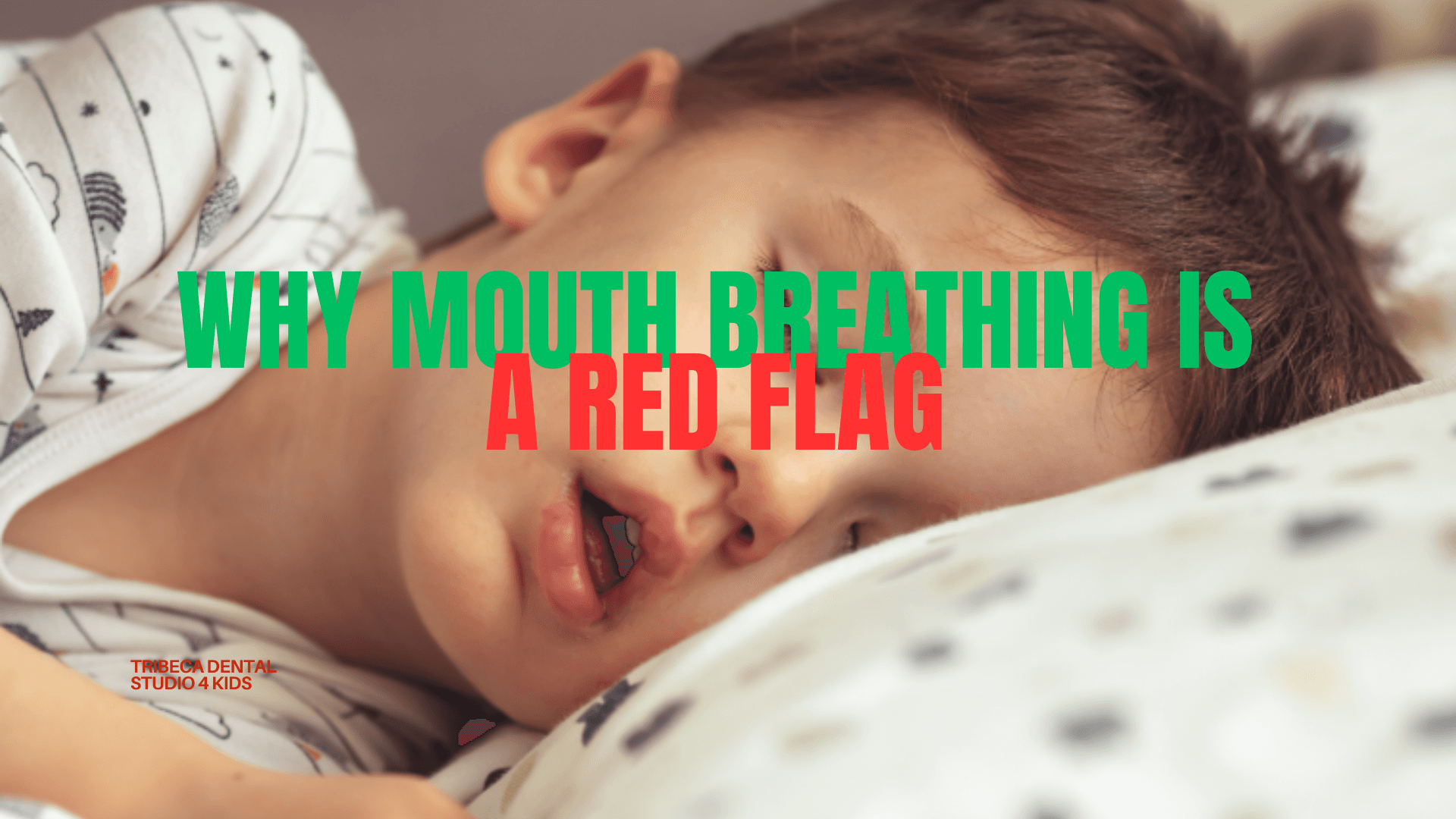
As we kick off Tribeca Airway & Sleep Month, we’re starting a conversation that many parents don’t hear in a traditional dental office. Did you know that the way your child breathes and sleeps is directly connected to the development of their smile—and their brain?
At Tribeca Dental Studio 4 Kids, we look beyond the teeth to ensure your child has the foundation for lifelong wellness.
The "Silent" Struggle
Many parents assume snoring is just a "cute" habit or that "heavy breathing" is normal. In reality, mouth breathing is often a sign of a restricted airway. When a child breathes through their mouth instead of their nose, their body stays in a state of high alert, never reaching the deep, restorative sleep they need to grow.
The Red Flags: What to Look For
If you notice any of the following, your child might be a candidate for a Smile Reset evaluation:
- Mouth Breathing: Especially during sleep or quiet play.
- Restless Sleep: Tossing, turning, or waking up feeling tired.
- Venous Pool: Dark circles under the eyes (allergic shiners).
- Narrow Dental Arches: Crowded teeth are often a symptom of a narrow palate that limits breathing room.
- Daytime Fatigue: Difficulty concentrating at school (often mistaken for ADD/ADHD).
Why Early Intervention Matters
When a child’s airway is restricted, the body compensates. This can lead to a narrow facial structure, a recessed chin, and long-term sleep issues. By identifying these functional issues early, we can use non-invasive treatments—like Myobrace or myofunctional guidance—to "reset" their growth path without the need for aggressive surgery later in life.
Our 90-Day Airway Offer
As part of our community push, we are offering a Comprehensive Airway & Growth Assessment for all new patients this month. We utilize advanced digital scans—no scary needles or uncomfortable molds—to get a full picture of your child's health.