Thumb Sucking and Your Child's Teeth: When I Start to Worry
October 14, 2026
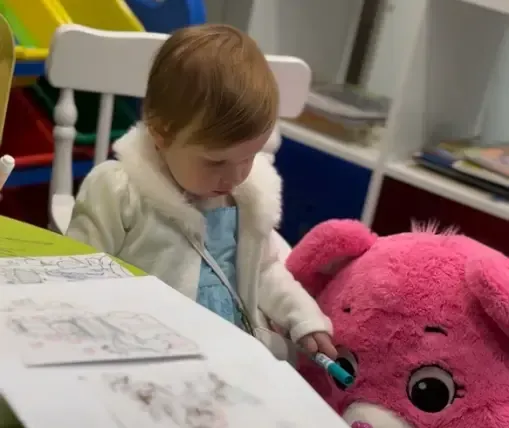
Thumb sucking is one of the most natural habits a baby has. Babies are born with a sucking reflex, and the thumb is comforting, familiar, and always within reach. In the early years it is a normal part of self-soothing, and most children drop the habit on their own as they grow.
As a pediatric dentist, thumb sucking becomes my business when it starts to change how the teeth and jaws develop. The concern is mechanical: a thumb in the mouth for hours every day presses the upper front teeth outward and presses on the palate with a force that can narrow the upper jaw. Over time that pressure can open the bite, so the upper and lower front teeth no longer meet, and it can crowd the smile.
What I watch for at checkups
When I see a child who still sucks their thumb, I do not have a single magic age that decides everything. I look at what the habit is doing. At checkups I track the shape of the dental arches, whether the bite is opening in the front, where the tongue rests, and whether your child is breathing through the nose or the mouth. A thumb habit that pushes the tongue down and keeps the mouth open can feed into the same narrow-arch pattern I have written about before: a narrow upper jaw leaves less room for the tongue, and nasal breathing gets harder. You can read more about how we guide jaw growth.
The breathing connection parents miss
Here is the part that surprises most parents. The upper jaw forms the floor of the nasal cavity, so when a thumb habit narrows the palate, there is less room for easy airflow through the nose. Children compensate by breathing through the mouth, and mouth breathing keeps the body on alert and disrupts the deep sleep kids need. Thumb sucking is only one piece of that puzzle, but it is a piece I take seriously.
Gentle ways to help the habit fade
I never recommend punishing a child for thumb sucking. It is a comfort habit, and pressure usually makes it stronger. What works better is gentle redirection: notice when it happens (tired, bored, anxious), keep hands busy, and praise the moments they go without it. In our practice, systems like Myobrace, worn one to two hours a day plus overnight, help correct the habits behind the crowding: mouth breathing, low tongue posture, and tongue-thrust swallowing. Learn more about how Myobrace guides natural jaw growth.

When to bring it up
Bring it up at your child's next checkup, especially if you notice the front teeth flaring out, a gap where the front teeth should meet, or mouth breathing. At your visit we will look at growth, arch shape, and tongue posture, and go over the exact plan. Most of the time, catching this early means gentle guidance instead of bigger orthodontics later.

Frequently Asked Questions
Will thumb sucking ruin my child's teeth?
Not on its own, and not overnight. The risk depends on how long the habit continues and what it does to the bite. Some children suck their thumbs for years with little effect, while others develop an open bite or a narrow palate. That is why I track it at checkups.
Should we just let our child grow out of it?
Often, yes. Most children drop the habit on their own. But if permanent teeth are coming in and the thumb is still in the mouth every day, I would rather evaluate it. At your visit we will look at the arches, the bite, and breathing habits, and decide together.
Can the changes from thumb sucking be corrected?
In growing children, often yes. Because the jaws are still developing, guiding tongue posture and breathing habits early can help the arches develop more naturally. We use advanced digital scans to document where things stand, and non-invasive guidance like Myobrace when it fits.
What if my child only sucks their thumb at night?
Nighttime sucking still counts, because hours of pressure add up even in sleep. Mention it at the checkup so we can watch the bite and arch shape over time.