Interceptive Orthodontics (Phase 1) for Kids
October 15, 2026
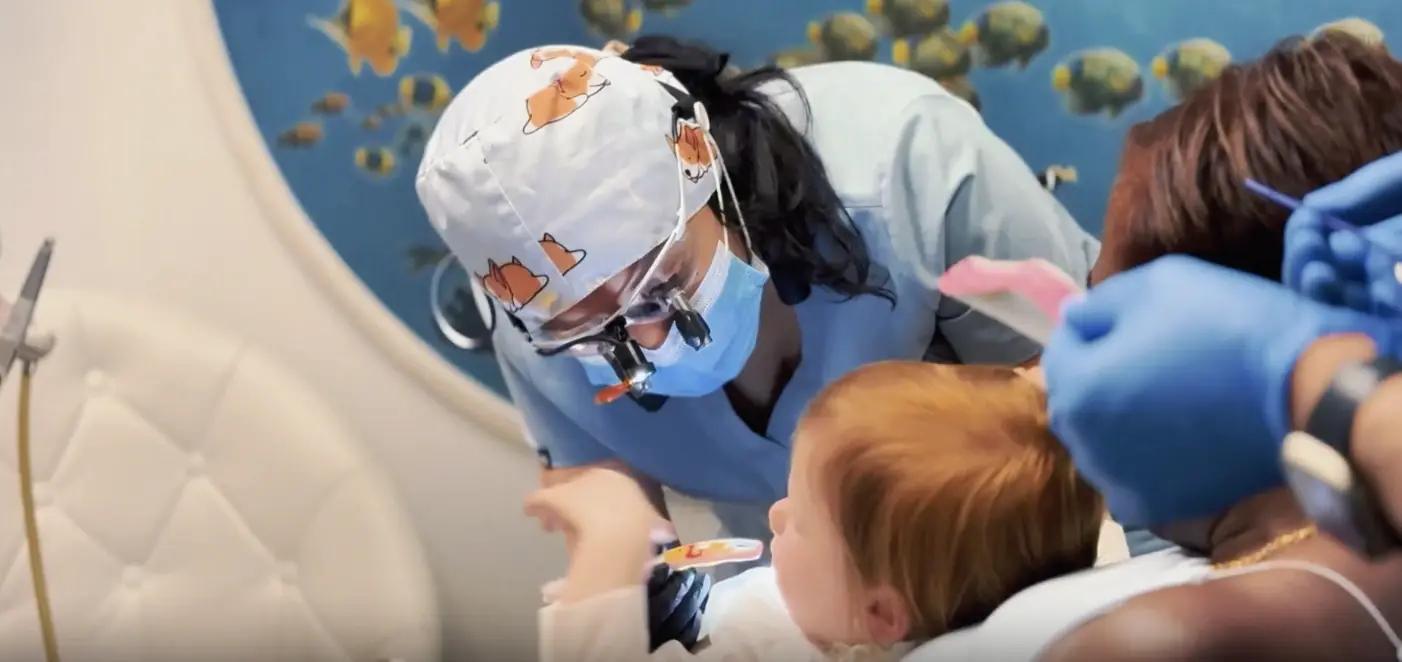
Interceptive orthodontics — Phase 1 — is early orthodontic treatment done while a child is still growing, usually between ages 6 and 10. The idea is simple: while the jaws are developing, small guided changes can prevent bigger problems later. It does not replace braces in the teen years for every child, but for the right child at the right time, it can shorten or simplify everything that comes after.
What Phase 1 actually treats
Phase 1 focuses on the foundation: guided jaw expansion when the upper jaw is too narrow, crossbite correction so the teeth meet properly, and space maintenance when a baby tooth is lost early. At every exam I also watch for mouth breathing red flags and signs of a restricted airway, because how a child breathes shapes how the jaws grow. I take radiographs only when they are clinically useful, and the orthodontic evaluation is always based on what I see in person.

Why timing matters so much
Jaw growth is a window that closes. An upper jaw can be gently widened while the growth plates are still open — once they fuse in the teen years, the same correction becomes far more difficult. That is the whole logic of Phase 1: do the easy version now instead of the hard version later. Not every child needs it, and starting too early helps no one. The evaluation tells us whether your child is in the window, approaching it, or better off waiting.
Parents often ask what happens between Phase 1 and any later treatment. Usually there is a resting phase: the Phase 1 appliance comes out, and we simply watch growth and let the remaining permanent teeth arrive, with regular checkups in between. Some children need nothing more after that; others move into a shorter, simpler round of braces as teens. Either way, Phase 1 has already done the heavy lifting during the years the jaw was most responsive.
One roof, one plan
In our Tribeca office the pediatric dentist and the orthodontist collaborate under one roof, so your child's dental health and jaw development are planned together — not in two separate offices guessing at each other's work. If Phase 1 involves habit correction like mouth breathing or low tongue posture, we may also use Myobrace, worn 1–2 hours a day plus overnight, to retrain those patterns while the jaws respond. Come see us at 54 Warren St (Mon–Fri 8am–7pm, Sat–Sun 9am–4pm) or call 212-561-5303 for an evaluation.
Frequently Asked Questions
What age should my child be evaluated for Phase 1?
Around age 7 is the classic screening age, but I watch jaw development at every checkup from early on, so nothing gets missed.
Will my child still need braces later?
Maybe, maybe not. Phase 1 often shortens teen treatment or makes it simpler — sometimes it prevents the need entirely.
Does Phase 1 hurt?
Expanders and early appliances cause pressure or soreness for a few days at first, which fades. Kids adapt quickly.
How long does Phase 1 usually last?
It varies by child and goal, but many Phase 1 plans run about a year, followed by a resting period while the remaining permanent teeth come in.