Palatal Expander vs Braces: Which Comes First
October 16, 2026
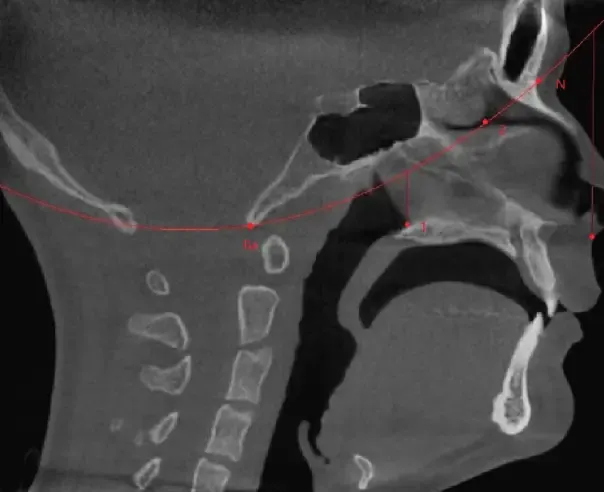
If your child has crowding, a crossbite, or a narrow upper jaw, you've probably heard two words thrown around: expander and braces. Parents ask me which comes first — and the honest answer is that they're not rivals. They're chapters of the same story.
Here's how I explain it. Phase 1 orthodontics is about guiding growth while your child is still growing: guided jaw expansion, crossbite correction, and space maintenance. A palatal expander gently widens the upper jaw, making room for adult teeth and correcting a bite that's closing the wrong way. Comprehensive treatment — braces or clear aligners, when appropriate — usually comes later, once more adult teeth are in, to fine-tune alignment.
Why the order matters
Trying to straighten teeth in a jaw that's too narrow is like arranging furniture in a room that's too small — you have to make the room bigger first. That's what Phase 1 does. And because our pediatric dentist and orthodontist collaborate under one roof here in Tribeca, the plan is seamless: I'm already watching your child's growth at every checkup, and the orthodontist steps in exactly when the timing is right.

Signs your child might need Phase 1
You don't need to diagnose this yourself — that's my job at every checkup. But parents often notice the clues first: crowded or overlapping teeth, a bite where the upper teeth sit inside the lower teeth, or a child who mostly breathes through their mouth. If any of that sounds familiar, come in and let's take a look. Catching growth questions early — while the jaw is still developing — is what makes Phase 1 so effective. Waiting until all the adult teeth are in can mean missing the window when guidance works best.
What about Myobrace?
Some children also benefit from Myobrace, a removable appliance worn 1–2 hours a day plus overnight that helps guide jaw development and encourage better oral habits. It's not braces — it's early guidance, and it works best when a child wears it as directed. I'll tell you honestly whether your child is a candidate.
One more thing I watch at every exam: mouth breathing. It's one of the red flags I look for, because how your child breathes affects how their face and jaws grow. If I see it, we'll talk about what it means and what to do — early, while growth is on our side. I take radiographs only when clinically useful to answer these questions. Call (212) 561-5303 — 54 Warren St, New York, NY 10007 — and let's look at your child's growth together.
Frequently Asked Questions
Does my child still need braces after a palatal expander?
Often, yes — and that's normal. The expander creates the space; braces or clear aligners later fine-tune the alignment. Think of Phase 1 as preparing the foundation and comprehensive treatment as finishing the house.
At what age should Phase 1 start?
It depends on your child's growth and what I see at their checkups — there's no single right age. That's why I watch development at every exam. When the timing is right, our in-house orthodontist and I plan it together.
What is Myobrace, exactly?
A removable appliance your child wears 1–2 hours a day plus overnight. It helps guide jaw development and supports healthier oral habits during growth. I'll tell you honestly whether it's right for your child.
Why do you care about mouth breathing?
Because it's a red flag I watch at every exam. How your child breathes shapes how their jaws and face grow — and catching it early, while they're still growing, gives us the most options.