Signs of a Tooth Infection in Kids
October 16, 2026
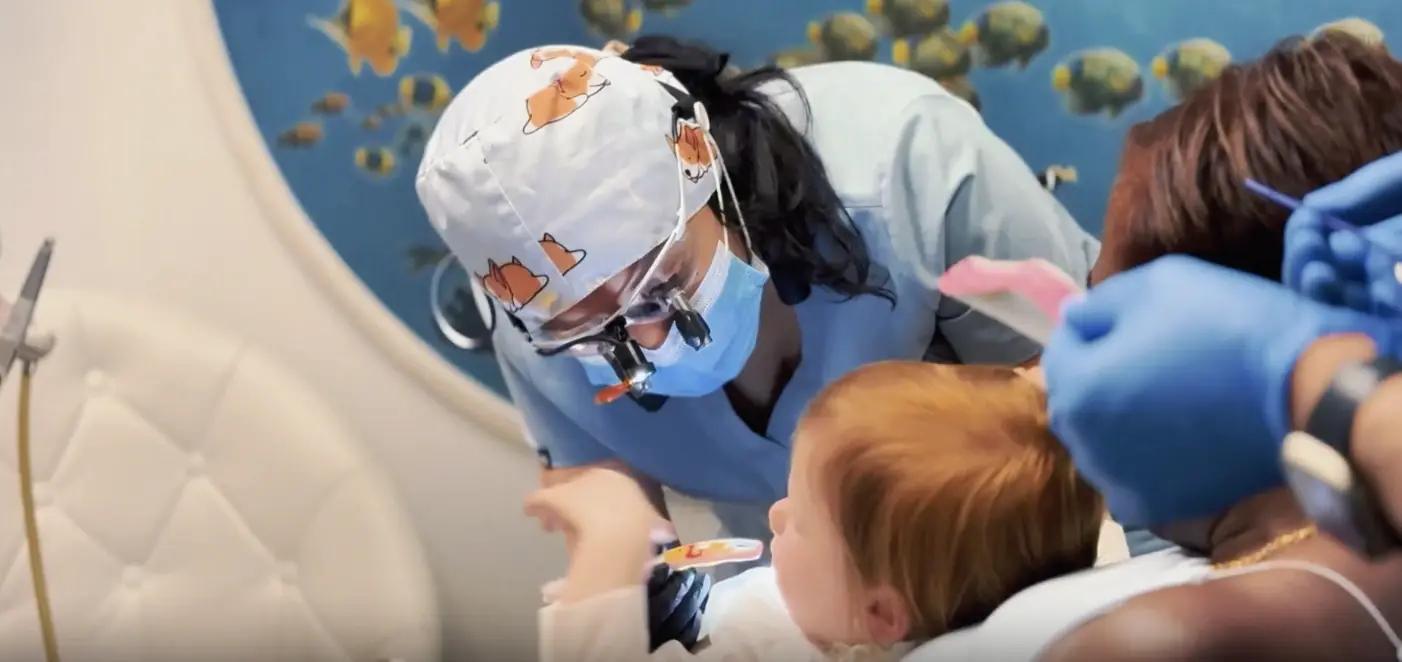
A tooth infection in a child can go from 'my tooth hurts' to a real emergency faster than parents expect. As a pediatric dentist, I want you to know the warning signs — and what I'll do about them — so you never have to guess.
Here's my rule, plain and simple: call us for persistent pain, swelling, uncontrolled bleeding, or fever. Any one of those means your child needs to be seen — not next week, now. Call (212) 561-5303 and tell us what's happening; we'll tell you exactly what to do next.
What's actually happening inside the tooth
Inside every tooth is the pulp — soft tissue made of nerves, blood vessels, and connective tissue. When deep decay or an injury reaches the pulp, it can become inflamed or infected, and that's what causes the kind of pain that doesn't quit. What I do next depends on two things: whether the pulp is healthy, inflamed, or non-vital — and whether the tooth itself can be restored.

Why kids' infections need quick action
Children's bodies are small, and infections can spread faster than in adults. A tooth infection that starts as a dull ache can become facial swelling surprisingly quickly — and once there's swelling or fever, it's no longer just a tooth problem. That's why my rule is simple: persistent pain, swelling, uncontrolled bleeding, or fever means call now, not tomorrow. I'd always rather see your child and find it's nothing serious than have you wait and wish you'd called sooner.
How we treat it
If the tooth can be saved, pulp therapy may be the answer — and the approach depends on how far the problem has gone. Options include indirect pulp treatment (treating the tooth while protecting the pulp), a pulpotomy (removing the affected pulp from the crown portion while preserving the healthy root tissue), or a pulpectomy (removing pulp from both the crown and the root canals). Sometimes, honestly, extraction is the more appropriate alternative — and if that's the case, I'll tell you why, in plain language.
The specifics always wait for an in-person evaluation — I need to see your child's tooth, and sometimes take a radiograph (only when it's clinically useful), before I recommend anything. What you can do right now: don't wait, don't hope it gets better on its own, and call us. We're at 54 Warren St, New York, NY 10007.
Frequently Asked Questions
What are the warning signs of a tooth infection in a child?
Persistent tooth pain, swelling of the face or gums, uncontrolled bleeding, or fever. Any one of these means call us right away at (212) 561-5303 — don't wait to see if it improves.
What is pulp therapy?
Treatment for the soft tissue inside the tooth — the pulp, made of nerves, blood vessels, and connective tissue. Depending on whether the pulp is healthy, inflamed, or non-vital, options range from indirect pulp treatment to pulpotomy to pulpectomy. I'll explain which fits after examining your child.
Will the tooth have to come out?
Not necessarily — saving the tooth is always my first choice when it's restorable. But sometimes extraction truly is the more appropriate option, and I'll be honest with you about why. Either way, we'll decide together after an in-person evaluation.
My child has a toothache but no swelling. Should I still call?
Yes — persistent pain alone is reason enough to call. Tooth pain that doesn't quit is your child's tooth asking for help, and catching it early gives us the most options. (212) 561-5303.